

Self Discipline : ค้นหาหนังสือธรรมะ หน้า 2 / 6
หน้าหนังสือทั้งหมด
62
Understanding Buddhist Concepts: Key Terms and Definitions
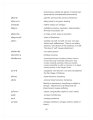
phenomena; outside the sphere of natural law; supernatural (unexplainable phenomena)
อดิษฐาน past life; previous life; previous existence
อทินนนทาน taking what is not given; stealing
อทุกขมสุข neither
This text presents key Buddhist concepts such as 'อนัตตา' (non-self), emphasizing that there is no lasting essence, only the illusion of self that causes attachment. It discusses 'อนิจจตา' (impermanen
39
Understanding Self-Mortification in Buddhism
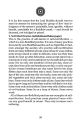
It is for this reason that the Lord Buddha should want to start his sermon by instructing the ‘group of five’ that indulgence of the senses is unsuitable, base, ignoble, without benefit, unsuitable fo
In this text, Lord Buddha teaches that indulgence of the senses is unsuitable for a Buddhist monk and should be avoided. The practice of self-mortification, common among non-Buddhist ascetics, include
237
Exploring Concepts of Buddhist Mythology
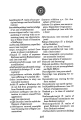
Asaññisatta (P. realm of non-per- ayatana nibbāṇa q.v. (lit. the recipient beings: see form Brahmā sphere of Nirvana realms) āsavakkhayañāṇa (see knowledge of an end of defilements) ayatana (lit. sphe
This text delves into intricate Buddhist concepts such as Asaññisatta, the realm of non-perception, and its relation to Nibbāṇa, highlighting essential terms like bhāvanā (development), and defilement
30
Untitled
28 : Universal Goodness
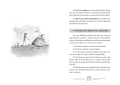
Without bearing in mind the true purposes of one's clothing,
one tends to buy clothing articles on impulse and without thought.
One tends to follow the latest fashion trends i
No summary can be generated due to lack of content.
97
Guiding Children Towards a Positive Future
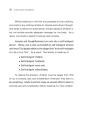
1. Teach your children. In a household where children have not developed bad behavior, then they should be taught about right and wrong and how to demonstrate self-discipline.
2. Address the problem
This content discusses the crucial role of parents in guiding their children to develop good behavior and self-discipline. It emphasizes the immediate need to address any self-destructive behaviors. F
25
The Middle Way: A Path to Liberation
3. The Middle Way
The Middle Way [majjhima paṭipadā] is a path of practice that avoids the extremes of either sensual indulgence or self-mortification. It is a path of practice that is conducive to ta
The Middle Way [majjhima paṭipadā] serves as a balanced path in Buddhism, steering clear of both sensual pleasures and self-mortification. This approach is aimed at tempering the mind, achieving supre
105
Rediscovery of the Dhammakāya Tradition
mentaries for most people to understand. The knowledge of Dhammakāya is said to have diminished and eventually for some unknown reason, disappeared from Buddhism approximately 500 years after the Pari
The Dhammakāya tradition, once diminished in Buddhism, was revitalized by Luang Phaw Wat Paknam who dedicated his life to its teachings. His outreach efforts led to the tradition being acknowledged in
135
Understanding the Pathama Magga Sphere
the other virtues.
For as long as a meditator cultivates the Noble Eightfold
Path purely, completely and according to the principles of
the Middle Way (i.e. with the mind entering continuously
upon th
This text delves into the Pathama Magga Sphere, an important concept in meditation that arises when the Noble Eightfold Path is fully realized. It explains how the mind can be liberated from external
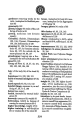
225
Metaphors and Teachings on Suffering and Generosity
gardener removing weeds by the house-[metaphor for body 65]: inscure, [metaphor for Buddha's practice 95]
generosity 132
ghosts, hungry 34: realm of the, suffering of birth in 63
gossip, malicious (se
This text delves into various Buddhist concepts, including the metaphor of a gardener removing weeds representing the body, and insights into craving, suffering, and the consequences of sensual indulg
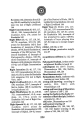
230
Insights into Buddhist Teachings
Kondaṇña 142; abstention from killing 158-60; instilled by loving kindness 141; tool of Right Livelihood 144
Right View 20, 39-40, 115, 117, 118, 141, 197: transcendental 39-40; mundane, 39, 147-51; a
This text discusses various Buddhist concepts such as Kondaṇña's role in understanding Right View and the importance of loving kindness and self-discipline in achieving liberation. It highlights examp

97
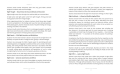
Protecting your children from Apayamukha
1. Teach your children. In a household where children
have not developed bad behavior, then they should be taught
about right and wrong and how to demonstrate self-discipline.
2. Address the problem i
1. Teach your children. In a household where children have not developed bad behavior, then they should be taught about right and wrong and how to demonstrate self-discipline. 2. Address the problem i
39
Cultivating Good Habits in Education
Teacher should remind themselves often that only good habits cultivate progress in academic and moral knowledge.
Right Thought — About Human Survival, Livelihood and Interaction
Right thought comes fr
ในบทความนี้กล่าวถึงความสำคัญของการปลูกฝังนิสัยดีในด้านการศึกษาและจริยธรรมสำหรับครูและนักเรียน ครูควรเตือนตัวเองเสมอว่านิสัยดีจะช่วยพัฒนาความรู้ทั้งด้านวิชาการและจริยธรรม การพูดและการกระทำที่ถูกต้องเริ
101
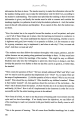
The Process of Learning: Insights from Buddhist Teachings
Suzanne Jeffrey
information for them to know. The teacher must try to make the information relevant for the student, finding some way to make the information vital for their lives, according to the s
This text discusses the importance of relevance in teaching, the need for both teacher and student to exhibit patience and discipline, and a structured approach to inquiry in the learning process. It
7
The Impact of Upbringing on Character Development
One day in first grade, Luang Por brought his best friend to his house. His father asked him what his friend's family name was, and after his friend had left, forbade him to associate or play with tha
This narrative illustrates the importance of a good upbringing as exemplified by Luang Por’s life. His father’s strict but wise teachings shaped his character, guiding him in choosing friends and reso
15
Self-Training and Endurance in Family Life
Those who have full knowledge, ability and goodness
must follow only this path in order to train themselves to keep
up with the world and its people, and not surrender to
defilements.
Surely, if you f
This text emphasizes the significance of self-training and self-control in leading a fulfilling life. By acknowledging the need to change negative habits, individuals can foster a healthier family env
25
The Four Problems in Marriage
Part One: Family Life
These are: Truthfulness (Sacca), Self-Control (Dama),
Endurance (Khanti), and Sacrifice (Caga). When lacking in
any of these principles, conflict or discord will arise in any
hum
Part One: Family Life highlights four essential principles for maintaining healthy relationships: Truthfulness (Sacca), Self-Control (Dama), Endurance (Khanti), and Sacrifice (Caga). Conflict within f
184
Glossary of Key Concepts in Buddhist Philosophy
Part Seven: Appendixes
Glossary
Anattata: Non-self; nothing in the world has implicit
identity
"There is nothing out there, not even our bodies, which
we can control. Thus, it is not distinctly ours.
This glossary provides definitions for key Buddhist concepts such as Anattata (non-self), Aniccata (impermanence), and Bhavana (meditation). It emphasizes the understanding that nothing possesses a pe
142
Self-Responsibility and Social Development in Buddhism
Suzanne Jeffrey
And that’s where we close the circle. We do it for ourselves because we have to develop ourselves before we can develop anything else … but everything about us affects all of the peop
The text discusses the necessity of self-development before aiding others, emphasizing self-responsibility post-birth. It highlights the crisis of independence and the importance of moral boundaries i
78
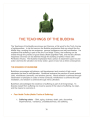
The Teachings of the Buddha
The Teachings of the Buddha
The Teachings of the Buddha are known as Dhamma, a Pali word for the Truth, the law of righteousness. In his first sermon the Buddha emphasized that one should live the Mi
The Teachings of the Buddha, known as Dhamma, emphasize the Middle Way, avoiding extremes of indulgence and self-mortification. Central to Buddha's teachings are the Four Noble Truths, which acknowled
40
The Futility of Self-Mortification
Commentorial Metaphors: Self-mortification:
1. Sugar-cane juice and poison: It can be compared to a mixture of sugar-cane juice and poison. In the end such practices will lead to death, and all for no
This text presents a series of metaphors illustrating the perils of self-mortification. Comparing self-harm to poison, stale excrement, and dangerous leaps, it highlights the futility of such practice